
Why Everyone Needs Cybersecurity Basics
First, picture your typical morning routine. As your phone connects to public Wi-Fi, your smartwatch syncs via Bluetooth simultaneously. Meanwhile, your car’s keyless entry remains active outside. While convenient, these technologies create risks most people ignore – which is exactly why understanding cybersecurity essentials matters more than ever.
Over the past decade, connected devices have transformed daily life. Yet each new gadget opens another door for hackers. Although manufacturers focus on exciting features, the cybersecurity essentials often become an afterthought. Consequently, users frequently underestimate the dangers lurking in their everyday tech.
Key Cybersecurity Risks Across Different Groups
For Everyday Users
Not only can weak security expose personal information, but hackers can access entire home networks through one vulnerable device. For example, stolen data might reveal daily routines or even enable physical crimes. Therefore, understanding cybersecurity essentials is crucial for protection.
For Device Manufacturers
On one hand, companies must innovate to compete. On the other hand, security shortcuts lead to expensive consequences. Specifically, breaches cause lasting reputation damage in addition to costly recalls.
For Critical Industries
Particularly in healthcare and finance, the stakes are highest. When attacks succeed, services get disrupted while recovery costs soar. Thus, these sectors need the strongest cybersecurity essentials.
Critical Threats to Modern Connectivity

Bluetooth Security Risks
Cybercriminals exploit multiple Bluetooth vulnerabilities:
- Man-in-the-Middle Attacks: Hackers intercept data between paired devices
- Bluejacking & Bluesnarfing: Unauthorized access to contacts and files
- Bluetooth Spoofing: Malicious devices mimic legitimate connections
Real-World Case: In 2022, a Bluetooth Low Energy (BLE) vulnerability allowed attackers to remotely unlock smart locks without physical access (Source: IoT Security Foundation).
Wi-Fi Network Vulnerabilities
Common Wi-Fi threats include:
- WPA2/WPA3 Weaknesses: Encryption flaws exposing networks
- Evil Twin Attacks: Fake hotspots stealing credentials
- IoT Exploits: Unpatched firmware and weak passwords
Major Incident: The “KRACK” attack (2017) compromised WPA2 security, affecting millions of devices globally (Source: Wi-Fi Alliance).
RF Device Vulnerabilities
Emerging RF threats pose new risks:
- Signal Hijacking: Manipulating wireless control systems
- RFID Skimming: Stealing contactless payment data
- Drone-Based Attacks: Intercepting communications
Notable Example: In 2021, thieves used RF jamming to disable smart locks during a wave of car thefts (Source: National Insurance Crime Bureau).
High-Risk Industries and Protection Strategies
Healthcare Cybersecurity
Medical IoT devices face life-threatening risks:
Attack Example: The 2021 ransomware attack on a major hospital chain compromised 1.3 million patient records (Source: HIPAA Journal).
Protection Measures:
- Encrypt all medical device communications
- Maintain regular firmware updates
- Train staff on cybersecurity essentials
Automotive Hacking Prevention
Connected vehicles present unique vulnerabilities:
Historic Breach: Researchers remotely hacked a Jeep Cherokee in 2015, leading to a 1.4 million-vehicle recall (Source: Wired).
Security Solutions:
- Use Faraday pouches for key fobs
- Consistently update vehicle software
- Encrypt all wireless communications
Smart Home Protection
IoT devices often lack basic security:
Shocking Incident: In 2019, hackers hijacked a home security camera system and demanded ransom (Source: FBI Internet Crime Report).
Essential Defenses:
- Replace all default passwords
- Enable two-factor authentication
- Disable unnecessary wireless features
Emerging Cybersecurity Challenges
Financial Sector Threats
Digital transactions face constant attacks:
Major Theft: Hackers stole $600 million from Ronin Network in 2022 by exploiting validator nodes (Source: Chainalysis).
Telecommunications Risks
5G networks create new vulnerabilities:
Recent Breach: A 2024 telecom data breach exposed millions of customer records (Source: FCC Bulletin).
Implementing Cybersecurity Essentials
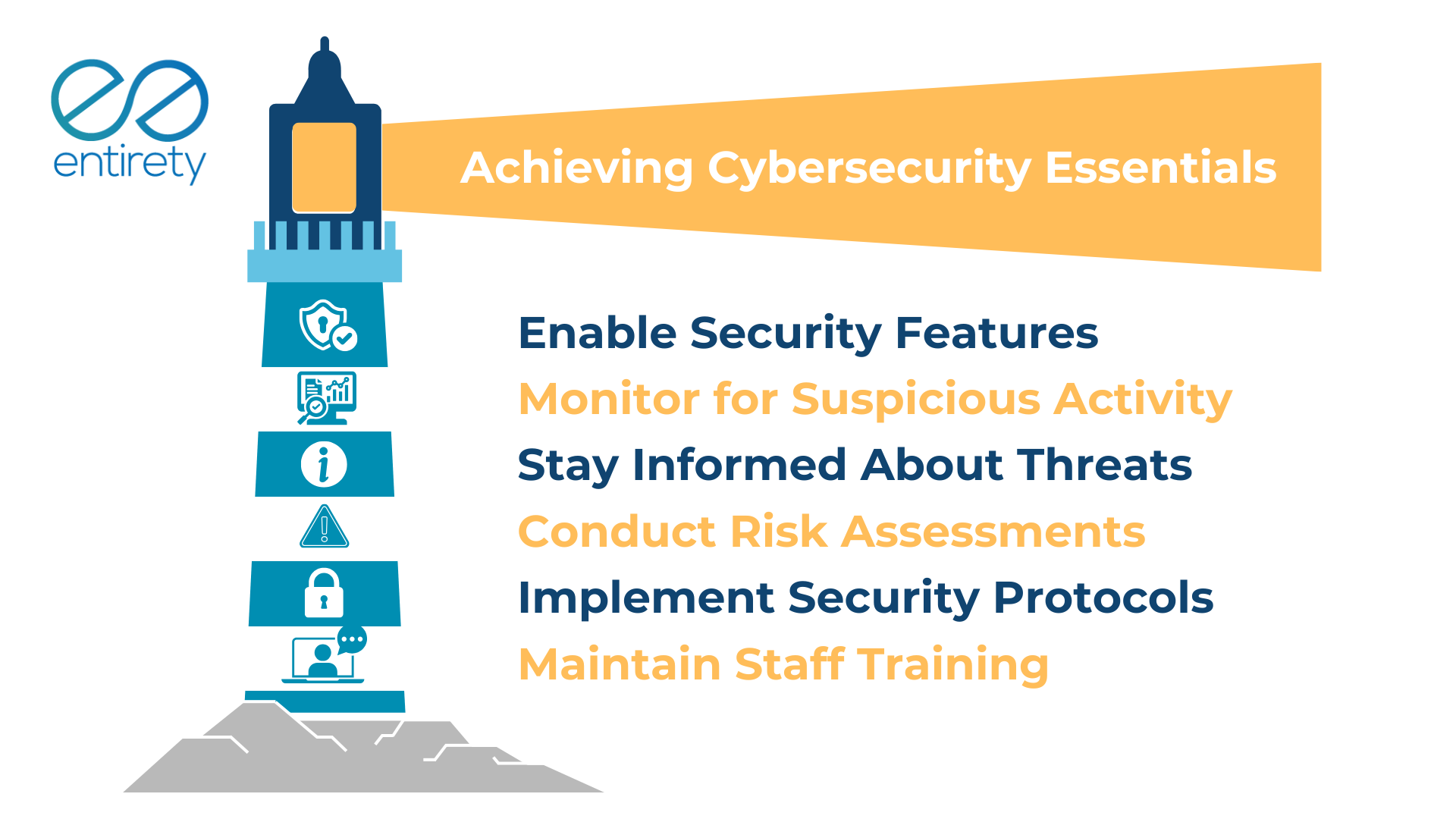
For Individuals:
- First, enable all available security features
- Additionally, monitor devices for suspicious activity
- Finally, stay informed about emerging threats
For Organizations:
- Initially, conduct thorough risk assessments
- Next, implement layered security protocols
- Most importantly, maintain ongoing staff training
How New Cybersecurity Standards Will Reshape the Industry?
Across continents, cybersecurity regulation is rapidly evolving from patchwork national rules to cohesive regional frameworks. Interestingly, each major market is developing distinct approaches that reflect local priorities while responding to global threats.
Europe Sets the Gold Standard
The European Union continues leading with its ambitious Implementing Decision (EU) 2025/138, which builds upon the NIS2 Directive’s foundation. Notably, this regulation mandates EN 303 645 v2.0 certification for all IoT devices by January 2026. Moreover, it introduces tiered penalties ranging from 1-4% of global revenue, carefully calibrated to violation severity.
Transitioning to enforcement, the EU’s risk-based approach is already influencing other markets. Specifically, its Cybersecurity Risk Matrix (EU-CRM) is being adopted as a template in Southeast Asia and Latin America. Consequently, multinational companies are finding value in using EU compliance as a baseline for global operations.
North America’s Market-Driven Approach
Meanwhile, the United States’ FCC Cybersecurity Labeling Program reflects a characteristically flexible strategy. Initially launching as a voluntary measure in late 2024, it will transition to mandatory requirements by 2026. Importantly, this phased approach mirrors ENERGY STAR’s successful model by creating consumer demand for certified devices.
Furthermore, early adoption data reveals compelling advantages. For instance, 68% of procurement officers already prioritize products bearing the “Cyber Trust Mark.” Additionally, the FCC’s technical requirements show growing alignment with EU standards, significantly reducing testing redundancies for global manufacturers.
Latin America’s Localization Focus
Now that Brazil’s ANATEL Letter No. 100 has been in effect since March 2025, the regulation’s strict data localization rules are reshaping the market. Companies must store device telemetry, security logs, and user authentication data locally, driving demand for Brazilian cloud partners like LocaWeb. While certification bottlenecks persist only five approved test labs exist early adopters already hold 73% of the enterprise IoT market (ABINEE Tech Report, May 2025). Enforcement currently prioritizes medical and critical infrastructure devices, with consumer electronics granted a grace period until August 2025.
Manufacturers face a tight timeline to update firmware, audit third-party components, and engage Brazil’s new Cybersecurity Compliance Advisory Board. Those who act now gain dual advantages: avoiding penalties and securing preferential access to Mercosur markets under upcoming reciprocity agreements. With imported devices still facing high failure rates, local procurement has surged 22% (ANATEL Market Pulse). The window for competitive positioning is narrowing companies must move quickly to align with Brazil’s evolving compliance landscape.
Asia’s Emerging Benchmark
Turning to Southeast Asia, Vietnam’s draft QCVN 135:2024 signals the region’s regulatory maturation. Focusing initially on surveillance cameras, the proposal demands military-grade encryption and local-language firmware. These requirements highlight Asia’s dual emphasis on security and digital sovereignty.
Looking ahead, this regulation will likely expand to other IoT categories by 2025. As Vietnam often leads ASEAN policy trends, manufacturers should view compliance as a long-term investment in regional market access.
Strategic Implications for Organizations
- For manufacturers: Modular product designs now enable region-specific compliance without complete redesigns
- For enterprises: Dual-certified (FCC+EU) devices offer the most future-proof procurement strategy
- For compliance teams: Vietnam’s final ruling will set important precedents for emerging markets
Building a More Secure Future
In conclusion, our connected world grows more complex daily. Although perfect security doesn’t exist, by combining better designs, stronger regulations, and user education, we can significantly reduce risks. For those needing expert help, professional services provide essential guidance in implementing proper cybersecurity essentials.
Stay ahead of evolving threats!
🔒 Subscribe to our Regulatory Updates newsletter for the latest cybersecurity news and compliance alerts.
🛡️ Contact our team for tailored security solutions to protect your business.
Cybergraphy
- Chainalysis. (2022). The Ronin Network bridge exploit: How $600 million was stolen. https://www.chainalysis.com
- Entirety.biz. (2024, June 15). Brazil ANATEL Letter No. 100: Cybersecurity requirements for enterprise devices. https://entirety.biz/brazil-anatel-letter-no-100-cybersecurity-for-enterprise-devices/
- Entirety.biz. (2025, January 7). European Commission Implementing Decision (EU) 2025/138: Cybersecurity standards update. https://entirety.biz/european-commission-implementing-decision-eu-2025-138-cybersecurity-standards-update/
- Entirety.biz. (2024, May 22). FCC’s new voluntary cybersecurity labeling program for IoT products. https://entirety.biz/fcc-new-voluntary-cybersecurity-labeling-program-for-iot-products/
- Entirety.biz. (2024, July 3). Vietnam MIC announces draft QCVN 135: Baseline cybersecurity requirements for surveillance cameras. https://entirety.biz/vietnam-mic-announces-consultation-on-draft-national-technical-regulation-on-baseline-cybersecurity-requirements-for-surveillance-camera-qcvn-1352024-btttt/
- European Commission. (2025). Implementing Decision (EU) 2025/138 on cybersecurity certification for ICT products. Official Journal of the European Union. https://eur-lex.europa.eu
- Federal Bureau of Investigation. (2019). 2019 Internet crime report: Home IoT device compromises [Annual report]. https://www.ic3.gov
- Gartner. (2023). Board-level cybersecurity competency gaps: Global survey results. https://www.gartner.com
- HIPAA Journal. (2021, September). Analysis of healthcare ransomware attack exposing 1.3 million records. https://www.hipaajournal.com
- IoT Security Foundation. (2022). BLE security vulnerability white paper (v2.1). https://www.iotsecurityfoundation.org
- McKinsey & Company. (2024). The 2024 cybersecurity regulatory convergence index. https://www.mckinsey.com
- National Insurance Crime Bureau. (2021). Vehicle theft trends: RF relaying and jamming attacks [Technical bulletin]. https://www.nicb.org
- Palo Alto Networks Unit 42. (2023). IoT threat landscape: Global device vulnerability analysis. https://www.paloaltonetworks.com
- U.S. Federal Communications Commission. (2024). Cybersecurity labeling program for internet of things devices [Policy statement]. https://www.fcc.gov
- U.S. Securities and Exchange Commission. (2023). Final rule: Cybersecurity risk management, strategy, governance, and incident disclosure. https://www.sec.gov
- Wi-Fi Alliance. (2017). WPA2 vulnerability: Key reinstallation attack (KRACK) mitigation guidelines. https://www.wi-fi.org
- Wired. (2015, July 21). Jeep Cherokee hack: Full technical breakdown. https://www.wired.com